

A full turn on a 2 bed starts at $16,000. The invoice is only one line of what a make-ready really costs you.
Search for make-ready costs and you mostly find definitions. Here is a real price list, plus a budget method for planning turn spend across a portfolio.
What is in a make-ready price
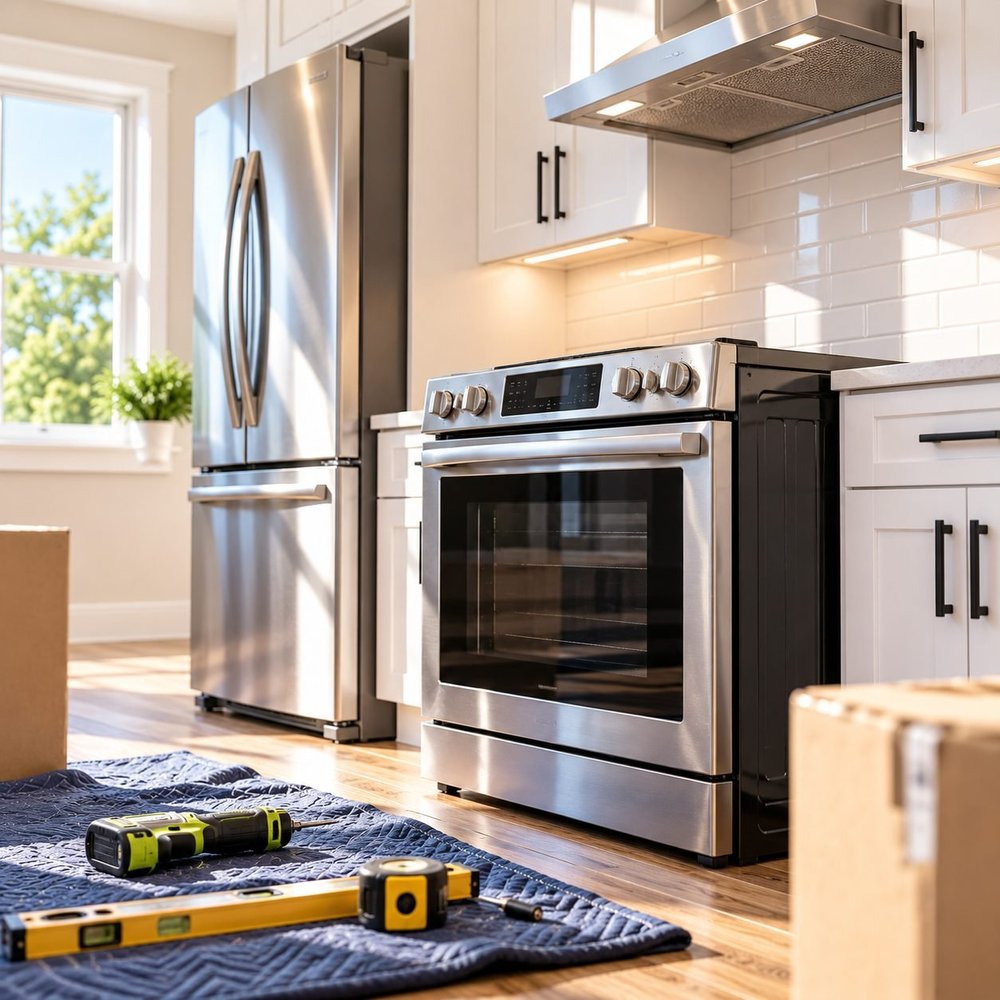
Make-ready is the work between one tenant leaving and the next one moving in. Cost depends on how much of the list below the unit needs:
- Interior painting
- Flooring installation and repair
- Kitchen updates
- Bathroom updates
- Drywall and plaster repair
- Fixture and appliance installation
- Final cleanup and rent-ready prep
Read what a crew actually does in what a make-ready contractor does.
The price list: full turns by bedroom
Our full unit turn starts at these prices. They are ours, not a market average.
- 1 bedroom: from $12,000
- 2 bedroom: from $16,000
- 3 bedroom: from $20,000
- 4 bedroom: from $24,000
The final price depends on your scope, and lighter turns are available when a unit does not need everything. Rent-ready in 21 days or less, guaranteed, once the contract is signed and the deposit is received. See the pricing page for the current table.
The invoice is only half the budget
The invoice is one line. A real make-ready budget has three:
- The turn invoice.
- Vacancy cost while the unit is empty.
- A contingency for what you find once the unit is open.
Leave out the second and the cheapest vendor looks best even when they are not. Our vacant unit cost guide and the Vacancy Cost Calculator cover that line.
Budget a year of turns: example math
This example uses made-up numbers to show the method. Replace them with your own.
Say you own 40 units and expect roughly one in four to turn each year. That is 10 turns. Suppose your mix is 4 one-beds, 4 two-beds and 2 three-beds, and you budget at our starting prices:
- 4 × $12,000 = $48,000
- 4 × $16,000 = $64,000
- 2 × $20,000 = $40,000
- Turn spend at starting prices: $152,000
Add 10% for scope surprises ($15,200) and you are at $167,200 before vacancy. If average rent is $1,800 and each turn sits 21 days, vacancy adds about 10 × 21 × $60 = $12,600. Total: roughly $179,800.
The 25% turnover rate and the 10% contingency are planning assumptions, not data. Use your own history. If you do not know it, pull last year's move-outs from your property management software.
Light turn or full turn?
Many units do not need a full turn. A unit that is clean, has decent floors and only needs paint and small repairs is a light turn. The cost difference can be large, so decide before you request quotes. Our guide on light refresh vs. full turn has a simple test.
Keep make-ready costs from creeping
- Get a written scope and price. Compare scope line by line, not total by total.
- Standardize finishes. The same LVP, paint color and fixtures across units cut cost and decision time. See LVP flooring for rental units.
- Batch turns. If more than one unit is open, one price and one schedule helps. See turning multiple units at once.
- Inspect at move-out, not at start day. Surprises cost more when they show up mid-job.
What pushes a unit from light to full
These are the usual triggers we see when walking a unit after move-out:
- Floors. Carpet that is stained or worn through, or vinyl that is lifting, is cheaper to replace than to keep patching.
- Walls. Holes and cracks in drywall or plaster need repair before paint, and heavy smoke or damage may need primer and more coats.
- Kitchen. Doors that do not close, a leaking sink or a countertop that is failing will draw a tenant complaint in the first month.
- Bath. Soft tub surrounds, loose tile or a damaged vanity are water problems waiting to happen.
- Fixtures and appliances. A few swaps are small, but a unit full of broken fixtures adds up fast.
None of these figures are a rule. The point is to decide per unit instead of pricing every turn as a full turn by habit.
Five questions for any make-ready quote
- Does the price list each room and each trade, or is it one lump number?
- What happens to the price if the crew finds more once the unit is open?
- When does the schedule start, and what has to happen first?
- Who handles trash removal and the final cleaning?
- Is the work for all trades done by one team, or does each need booking separately?
A vendor who answers these clearly before you sign will usually run a cleaner job.
Make-ready cost FAQ
How much does make-ready cost?
With Turn Masters, full turns start at $12,000 for a 1 bed, $16,000 for a 2 bed, $20,000 for a 3 bed and $24,000 for a 4 bed. Your final price depends on scope.
What is the difference between make-ready and a renovation?
Make-ready gets a unit rent-ready between tenants. A renovation changes the unit more, such as a new kitchen or layout. A full turn can include updates, so the line is not always sharp. Scope decides.
Do you price by the hour or by the job?
By the job, up front, from the scope you send.
Can I get a price for several units at once?
Yes. Send the scope for each and we return one price and one schedule.
Get your number.
Send the scope and we confirm the price. Check what vacancy adds with the free calculator.
Get a quoteVacancy calculatorSee also our unit turns, pricing and the Central Mass cost guide.